
If a developer wants to put a solar farm on your land, you’ll usually sign three things in order: heads of terms, an option agreement, then a lease. Most of the important points are settled at the very first step, so it pays to get them right early.
The three documents
- Heads of terms. A short summary of the deal: land, rent, length, fees. Mostly not legally binding, but it sets the shape of everything after.
- Option agreement. This is binding. It gives the developer the right to take a lease within a set time, while they get planning and a grid connection.
- Lease. Starts when the project goes ahead. Usually runs for 30 to 40 years or more.
Your checklist
The land
- A clear plan showing exactly which land is included, plus any cable routes and access tracks.
- Your own access to the rest of your land is protected.
The option
- How long? Options often run 3 to 5 years, sometimes longer because of grid queues. Avoid open-ended extensions.
- Paid during the option? Ask for a signing payment and yearly payments, plus extra if the option is extended.
- Milestone payments when planning is granted and when building starts.
- Surveys and damage. The developer pays for any crop loss or damage from surveys.
The rent
- The rent per acre (or per MW), and when full rent starts. See typical rents.
- Index-linked to RPI or CPI.
- Turnover top-up, a share of income on top of the base rent, if you can get it.
- Construction year. Compensation for lost crops or income while it’s built.
The lease
- Use limited to solar (and battery storage, if agreed, at its own rent).
- Outside the Landlord and Tenant Act 1954, so the tenant can’t claim a right to stay on at the end.
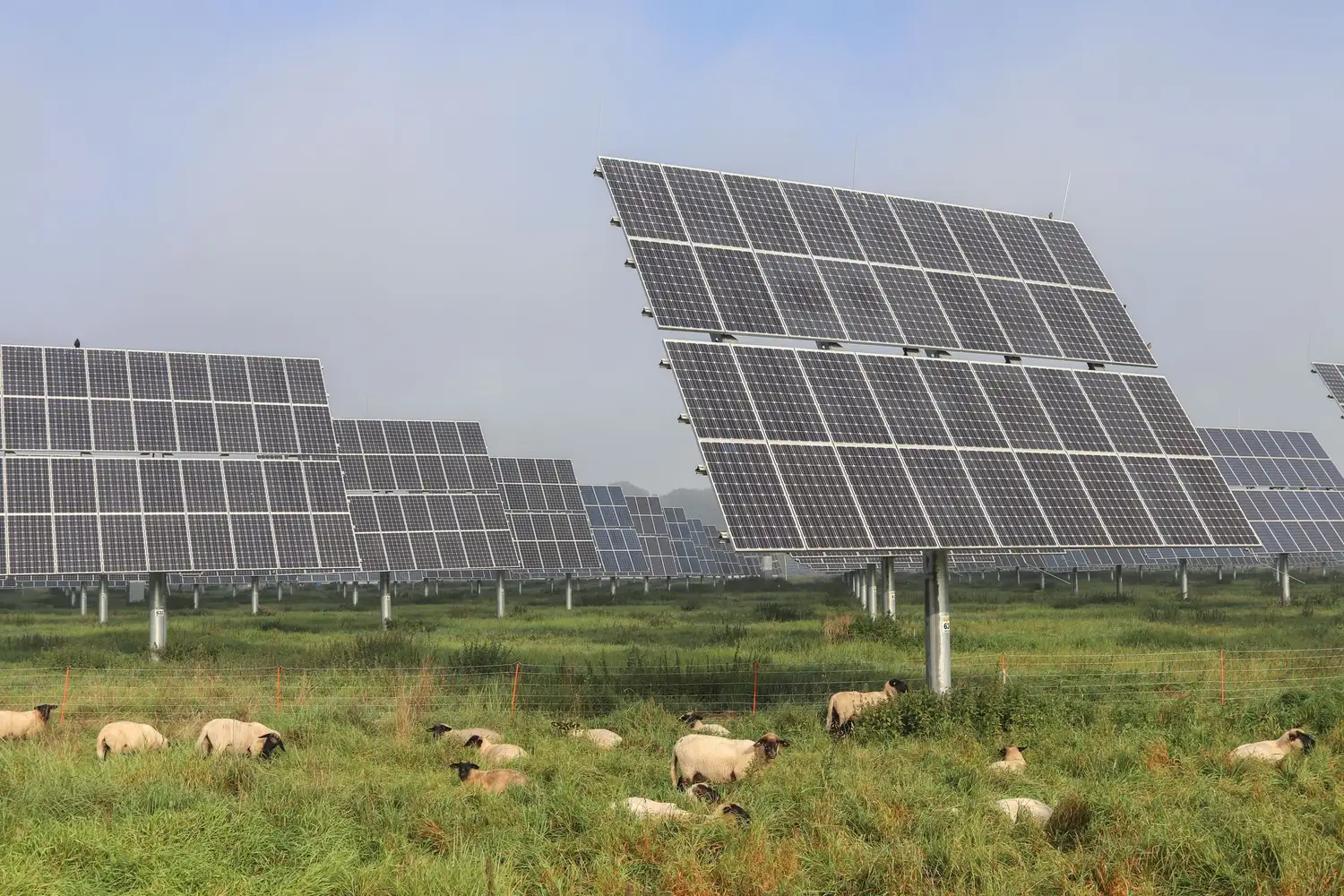
- Sheep grazing allowed between the panels, if you want it.
- Who can take it over. Developers often sell projects. Make sure any buyer takes on all the same duties.
The end
- Decommissioning. Everything removed and the land restored.
- Money set aside for that, usually a bond or fund built up during the lease. Without it, you or your family could be left with the bill.
- A schedule of condition recording the land before work starts.
Tax and other schemes
- Inheritance tax. Land let for solar may lose agricultural property relief. Take advice before you sign heads of terms.
- Income and capital gains tax on the rent and payments.
- Farm schemes. Check the effect on any stewardship or environmental land management agreements.
- Tenants and lenders. If the land is let or mortgaged, they may need to agree.
Fees
- Fees. It’s clear who pays your legal and land agent fees.
Red flags
- Pressure to sign quickly, or “this offer ends Friday”
- Very long options with little or no payment
- Vague plans of the land
- No decommissioning security
- A developer who won’t say how they’ll get a grid connection
What we do
We’re a solar developer based in Exeter. We set out our terms in plain English and are happy to work with your land agent and solicitor. Check your land for free →
Related: How much land do you need? · How long does a solar farm take? · Grid reform for landowners
Sources
- HCR Law: key points before signing a renewables agreement
- FSP Law: solar farms, key things to consider
- Farmers Weekly: take care when choosing a solar developer
Facts last checked 25 October 2026. This is general guidance, not legal or tax advice. Always use your own solicitor.