Could your land host a solar farm?
A plain-English guide to leasing land for solar, plus a free check on whether your land could work.
Five things developers look for.
You don't need to tick every box. Grid access matters most.
Close to the grid
Land near a substation or a suitable power line is the biggest factor.
The right size
Larger, simpler fields work best, but smaller sites can work too. It depends on the site and the grid.
Flat or south-facing
Gentle slopes facing south are ideal. Steep or north-facing land is harder.
Few constraints
Land outside flood zones and sensitive landscape or heritage designations is easier to consent.
Good access
A route in for construction traffic and a clear boundary with neighbours.
Simple, clear and no cost to you.
We check your land
Send us your postcode and a few details. We check it against grid, planning and constraints for free.
We agree terms
If it works, we agree clear heads of terms with you. No cost to you and no obligation.
We take it to build
We manage the grid, planning and surveys. You keep us updated on the farm, we keep you updated on the project.
From first call to first rent.
Typical timings. Every site is different, and grid dates matter most.
Free land check
2–4 weeks
We check grid, planning and constraints and tell you honestly if it could work.
Option agreed
1–3 months
Heads of terms, then an option agreement. Your solicitor reviews everything.
Grid and planning
12–18 months
We secure a grid offer and planning consent. You stay informed at every step.
Build
6–12 months
Construction by partner contractors, with access agreed around your farm.
Operation
up to 40 years
Rent paid every year, often around £1,000 per acre. Grazing can continue.
Is my land suitable?
Tell us where your land is. We'll check it and get back to you, usually within a few working days.

Your enquiry comes straight to Charlie.Charlie Williams, founder, Quanta Renewables
Developer or investor? See our development consultancy.
Landowner questions
How much can I earn from leasing land for solar?
Solar farm rents are often around £1,000 per acre per year, usually linked to inflation, for the life of the project. Your figure depends on the site, the grid connection and the market. We give you a clear figure once we know your land.
How much land do I need for a solar farm?
As a rough guide, a solar farm needs around 4 to 6 acres for each megawatt. Smaller sites can work too. The grid connection matters more than size alone.
How long does a solar farm lease last?
Most new solar leases run for around 30 to 40 years, and some run a little longer. At the end, the panels are removed and the land is returned to agricultural use.
Can I still farm the land?
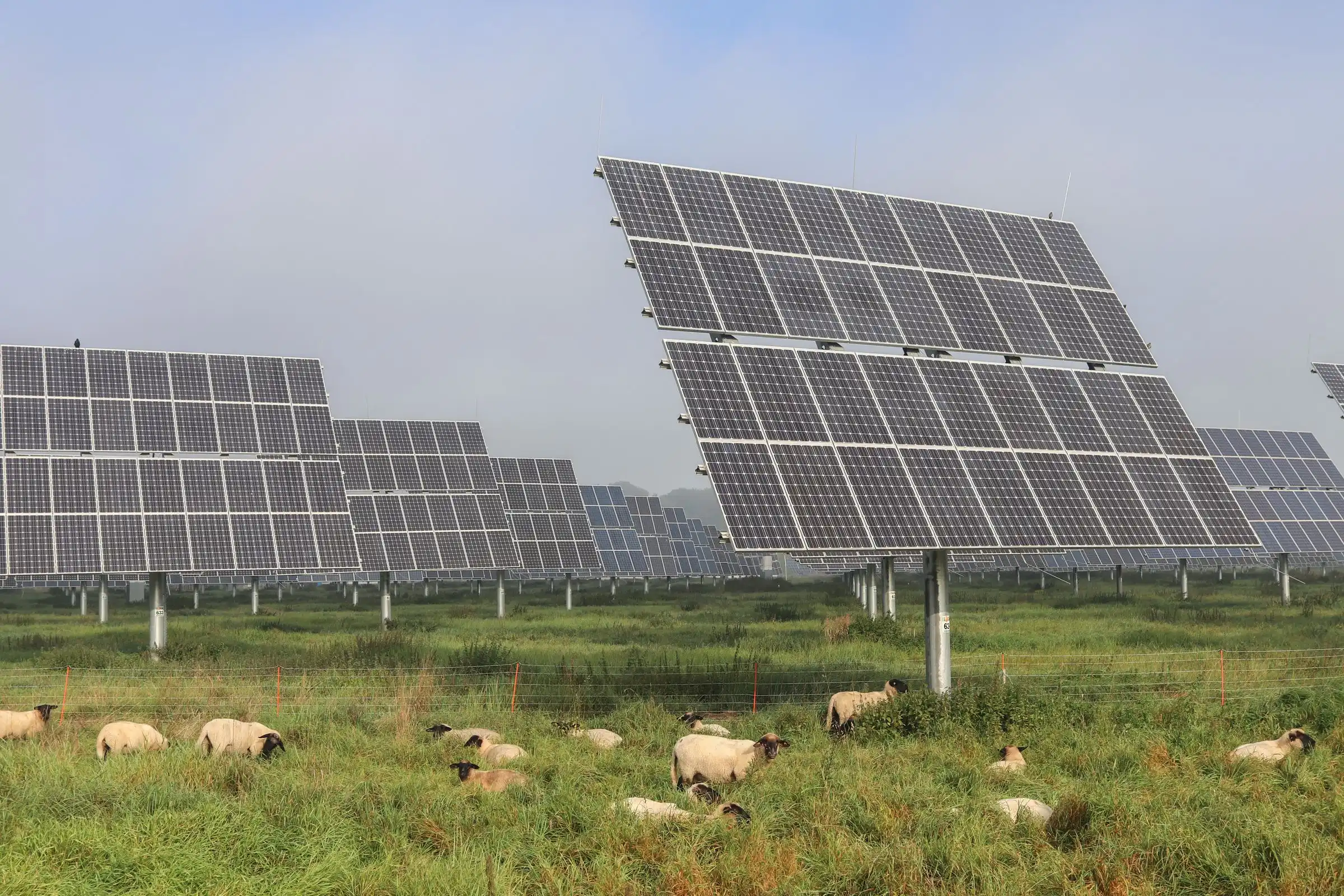
Often, yes. Sheep can graze between and under the panels, and the land can be managed for wildlife and biodiversity.
Will it cost me anything?
No. The project pays for surveys, grid applications and planning, and we cover your reasonable legal fees.
What is an option agreement?
An option gives the developer the right to take a lease later, once grid and planning are in place. It usually lasts a few years. Whether there is a fee while it runs depends on the site, and we set it out clearly in the heads of terms. If the project does not go ahead, the option simply ends.
What if planning permission is refused?
The project may be redesigned and resubmitted, or it may stop. If it stops, the option ends and your land stays as it is. Your agreement will set out exactly what happens.
Does a solar lease affect my tax?
It can. Land under solar may be treated differently for inheritance tax reliefs such as Agricultural Property Relief. Speak to your accountant or land agent early. We are happy to work with them.
What happens at the end of the lease?
The solar farm is taken down and the land is restored. This is written into the lease and the planning consent.