Most UK landowners lease land for a solar farm rather than sell it. A lease typically pays around £1,000 to £1,200 per acre a year, linked to inflation, for 40 years or more, and you keep the land. A sale gives you one lump sum, but you give up the land and all future income.
How a solar lease usually works
Leasing is by far the most common route in the UK. It normally happens in two stages:
- Option. The developer pays for the right to take a lease later. During the option they get planning and a grid connection. You keep farming the land.
- Lease. If the project goes ahead, the lease starts. Full rent usually begins when building starts.
Options can now run up to 12 years, tied to the grid connection date. Land agents report option fees of around £2,000 to £5,000 a year for the first period, and more once the project makes progress.
Since grid reform, a developer needs signed land rights, usually an option, before it can apply for a firm grid date. Grid reform explained for landowners.
How a sale usually works
Developers rarely buy farmland outright. When they do, the deal often looks like this:
- Sale with planning and grid uplift. The price may be agreed now but only paid if planning and a grid connection are secured. Land with both can be worth more than farmland value. There is little published data on how much more.
- Overage. You sell, but keep the right to a share of any extra value if the land is later developed. This protects you if the land turns out to be worth much more than you sold it for.
- Substation plot. Even on a lease, a small plot for the grid substation is sometimes sold outright to the network company.
Lump sum vs money over time
Here’s a simple illustration for 50 acres. It ignores tax, inflation and the time value of money, so treat it as a rough guide only.
- Lease at £1,000 to £1,200 per acre: about £50,000 to £60,000 a year. Over 40 years that’s £2 million to £2.4 million, before inflation increases.
- Sale at farmland value: average farmland in England sold for about £8,600 (pasture) to £10,500 (arable) an acre in the first half of 2026. That’s roughly £430,000 to £525,000, plus any premium for planning and grid.
A lump sum can still be the right choice. You may want to clear debt, buy other land, or pass money on now. But over the life of a solar farm, rent usually adds up to far more.
Selling vs leasing: side by side
| Lease | Sale | |
|---|---|---|
| How common in the UK | The usual route | Uncommon |
| Money | Yearly rent, index-linked, often for 40+ years | One lump sum, sometimes paid in stages |
| Who owns the land | You do | The buyer |
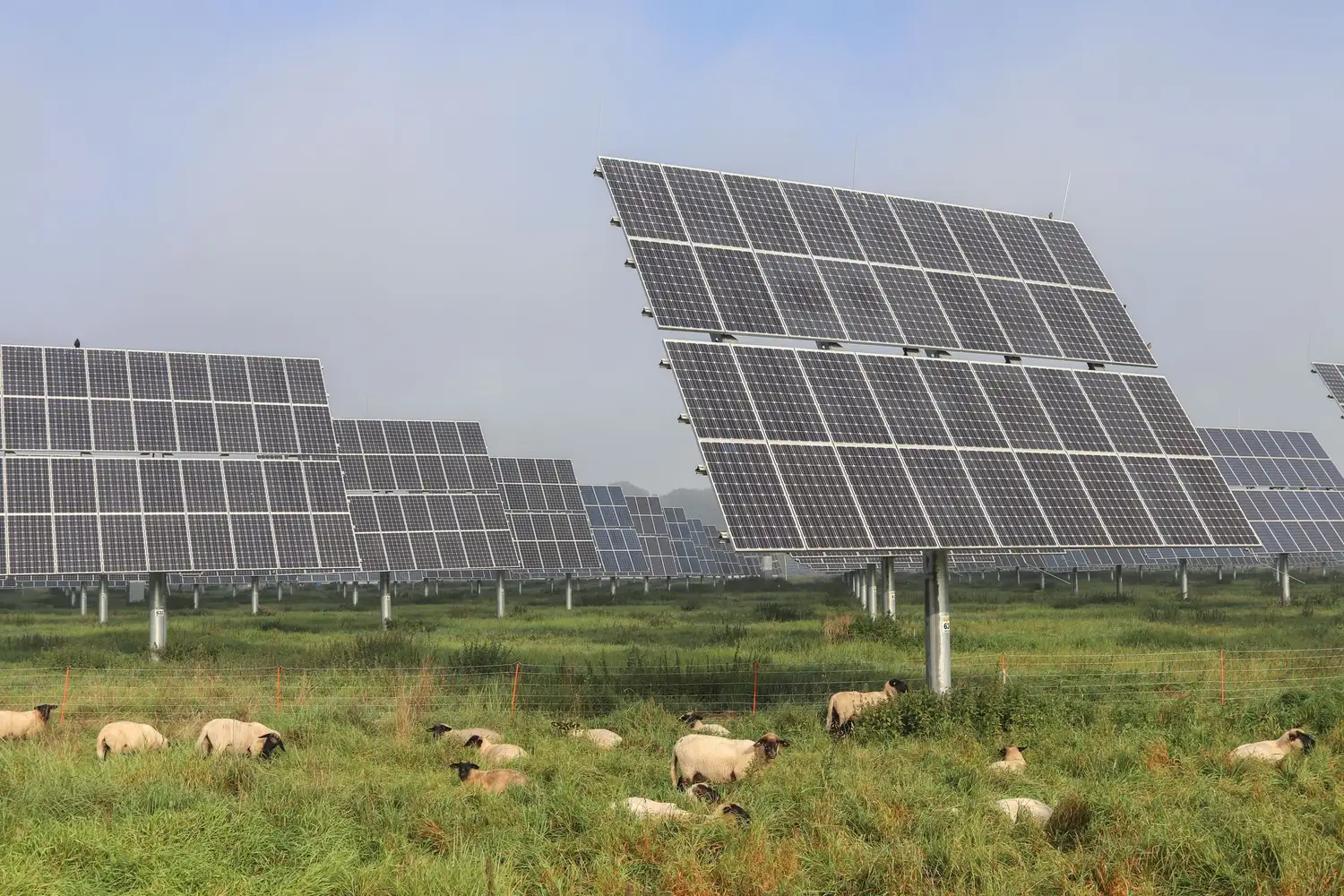
| Farming | Sheep can often graze under the panels | Your choice ends at sale |
| Tax | Rent is taxed as income. Inheritance tax relief may be affected | Capital gains tax on the sale |
| End of life | Panels removed, land handed back to you or your family | Buyer decides what happens next |
| Main risk | Tied in for decades; developer must fund decommissioning | Missing out if land value rises (overage helps) |
Tax: the high-level points
Tax can change which deal is better for you. Get advice before you sign anything, including heads of terms.
- Inheritance tax. From 6 April 2026, 100% relief on agricultural and business property covers the first £2.5 million per person, with 50% relief above that. Land let for solar may lose agricultural property relief, because it is no longer farmed in the usual way.
- Capital gains tax. From 6 April 2026, gains are taxed at 18% or 24%, depending on your income. Some reliefs may lower or delay the bill.
- Income tax. Lease rent is taxed as income each year.
This is general information, not tax advice. Speak to your accountant or tax adviser early. We’re happy to work with them.
Control and end of life
With a lease, you still own the land. The lease should limit use to solar (and battery storage, if agreed), and require the developer to remove everything and restore the land at the end. Ask for money to be set aside for this, usually a bond or fund built up during the lease. What to check in a solar lease.
With a sale, you have no say once it completes. If you want the land back one day, you could ask for a right to buy it back at the end.
How to lease your land for a solar farm: step by step
- Check your land. Developers look for land near a substation with spare grid capacity, with good access and few planning constraints. Size matters too. How much land you need.
- Talk to developers. Speak to a few, not just one. Land agents suggest offering the land to a handful of developers and comparing terms. Ask about their track record, funding and grid plan.
- Agree heads of terms. A short summary of the deal: land, rent, option length, payments and fees. Mostly not binding, but it shapes everything after.
- Sign the option. This is binding. Check the length, the yearly payments, and that the option ends if the grid offer is too costly or late.
- Sign the lease. The developer takes the lease once planning and grid are secured, usually just before building starts.
Start to finish, it often takes two to four years to go from first talk to a working solar farm. Full timeline.
What we do
We’re a solar developer based in Exeter. We check the grid and your land first, for free, then set out lease terms in plain English. Check your land for free → · Typical solar rents →
Sources
- Farmers Weekly: clean power push brings grid reform and shifts site demand (March 2025)
- Farmers Weekly: farmland values, why location matters more than ever (July 2026)
- Fraser Dawbarns: solar farms from a landowner’s perspective
- GOV.UK: inheritance tax relief threshold rises to £2.5m
- GOV.UK: Capital Gains Tax rates
- Edwin Thompson: renewable energy and the new rules of the grid
Facts last checked 25 October 2026. Every site and every family’s tax position is different. This is general information, not tax, legal or financial advice.